Our Domains
Fostering peer-driven learning in technology, where seniors guide juniors through collaborative exploration of five core technical domains.
Our learning approach
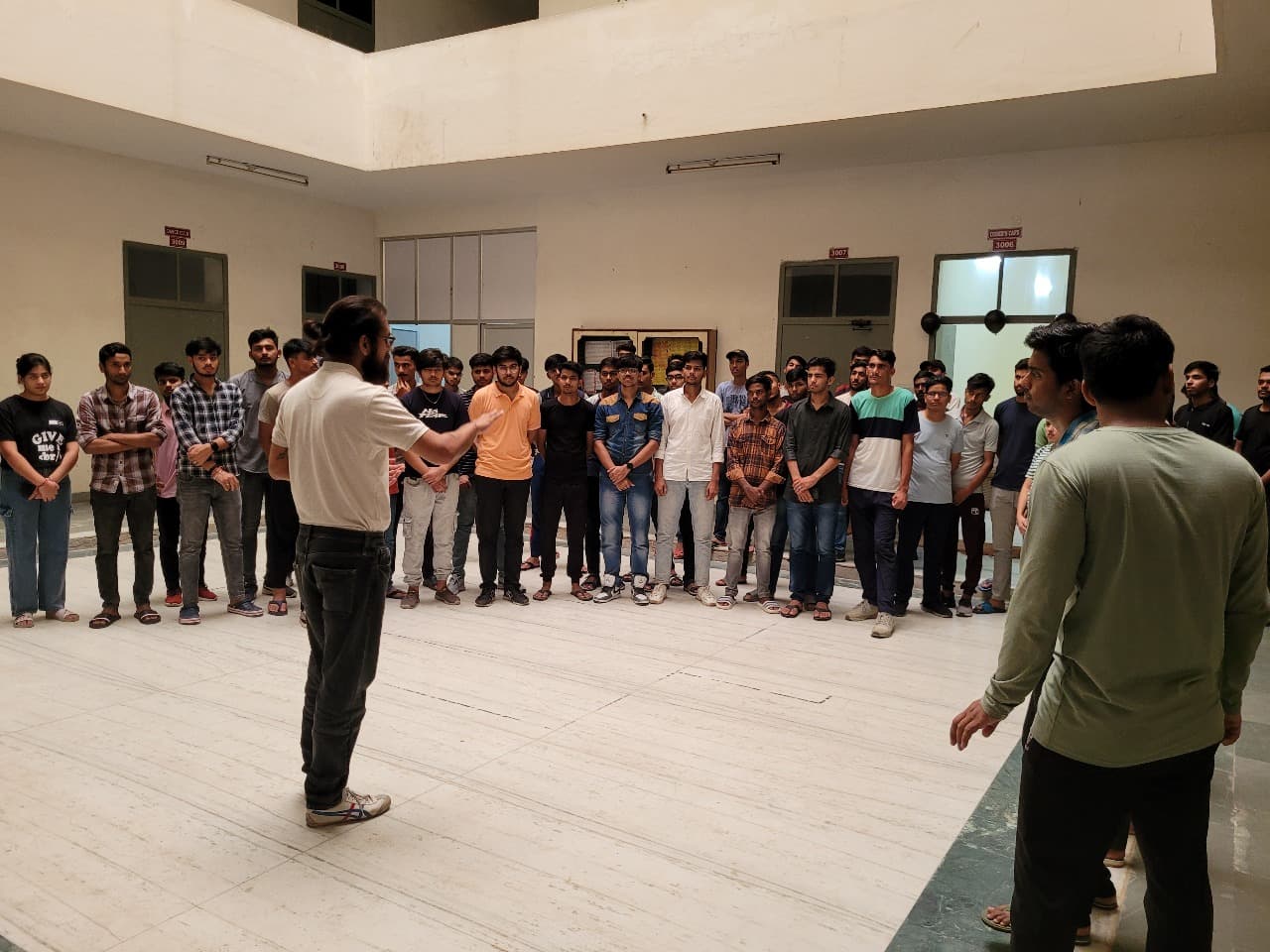
At Coder's Cafe, we believe in the power of collaborative learning. Our approach centers on creating an environment where knowledge flows freely between peers, fostering both technical excellence and leadership skills.
Through structured workshops, hands-on projects, and mentorship programs, we ensure every member has the opportunity to both learn and teach, creating a sustainable cycle of knowledge sharing.
Data Structures & Algorithms
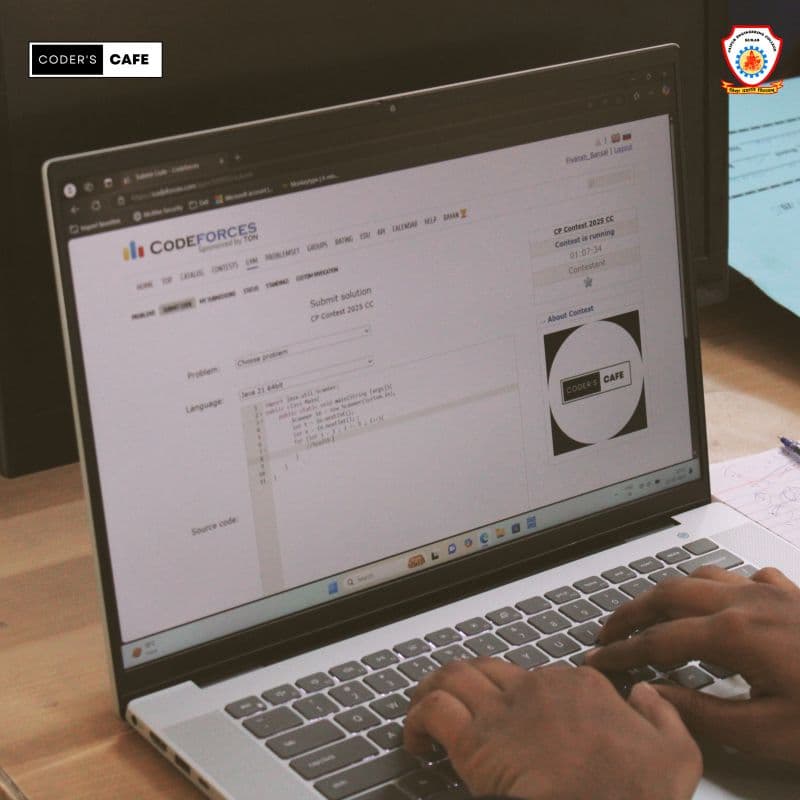
Data Structures & Algorithms is the domain most members start with, since the patterns here underpin almost everything else. Sessions run as peer-led problem-solving circles: a domain head introduces the pattern behind a topic, and the group works through problems together before anyone codes alone. Over time, you move from arrays, strings, and recursion into trees, graphs, and dynamic programming, always with an emphasis on recognizing why an approach works rather than memorizing a solution. Because interview prep and competitive programming reward the same underlying skill, this domain doubles as practice for both technical interviews and platforms like LeetCode and Codeforces. Seniors who've been through the process themselves mentor these sessions, so the problems and pacing stay grounded in what students are actually facing in placements and contests.
Data Science
Data Science sessions are built around learning by doing: rather than covering statistics and machine learning as separate theory blocks, each concept is applied to a real dataset in the same session it's introduced. Members start with Python's core data tools (Pandas, NumPy, visualization libraries) and the statistical reasoning behind common models, then move into supervised and unsupervised learning, feature engineering, and model evaluation. Workshops are run as build-along sessions rather than lectures, so everyone leaves with working code and a result they can explain, not just notes. As members grow more confident, this domain becomes a natural entry point into data-heavy hackathon tracks and independent projects. The goal throughout is intuition first and tooling second, understanding why a model behaves the way it does matters more here than memorizing library syntax.
Full Stack Development
Full Stack Development is our most project-driven domain, because a web stack is best learned by shipping something end to end. Members typically pair a modern frontend framework like React with a Node/Express backend, and pick up database design along the way, starting with relational databases before exploring where NoSQL fits better. Workshops build one feature at a time on a shared project, so a UI change, an API endpoint, and a schema update are taught as connected pieces rather than isolated lessons. REST API design, authentication, and deployment are treated as core topics rather than afterthoughts, since those are usually the gap between a toy project and something that resembles a real product. By the time members move on from this domain, they've typically taken at least one project from a blank repository to something deployed and usable.
Java Development
Java Development starts from core language fundamentals, object-oriented design, collections, and exception handling, and builds toward the Java most commonly used in industry today: Spring Boot services, REST APIs, and the basics of testing. Pacing is kept flexible so members new to Java can catch up within a few weeks, while more experienced members move ahead into dependency injection, layered application design, and an introduction to microservices concepts. Writing testable code is introduced early rather than treated as an afterthought, since that habit is often missing from standard coursework. Sessions lean on real code review practices, so members get comfortable writing Java that a team would accept, not just code that compiles. Given how widely Java and Spring are still used in enterprise hiring, this domain also functions as steady, ongoing interview preparation.
DevOps Engineering
DevOps Engineering is where members learn to take something they've already built, in Full Stack, Data Science, or elsewhere, and actually run it reliably. Sessions cover containerization with Docker, the fundamentals of Kubernetes, and CI/CD pipelines using tools like GitHub Actions, chosen because they're freely accessible and close to what teams use day to day. From there, members get an introduction to cloud platforms such as AWS and Azure, along with the basics of infrastructure management and monitoring, always applied to a real project rather than taught in the abstract. Because DevOps is a set of practices more than a set of facts, sessions lean heavily on hands-on labs over slides: setting up a pipeline, breaking it, and fixing it teaches more than reading about one ever could. This domain works well for members who already have a project they care about and want to see it actually running.